Unleashing Pixelated Worlds: The Power of 2D RPG Game Scrapbook Paper Backgrounds
There is a specific kind of nostalgia that hits you when you see a pixelated forest or a tiled castle floor. It triggers memories of late-night gaming sessions, grinding for experience points, and exploring vast, digital landscapes. For the modern creative—whether you are a designer, a scrapbooker, or a small business owner—this retro aesthetic is more than just a memory; it is a powerful design tool. 2D RPG Game Scrapbook Paper Backgrounds are not just digital assets; they are gateways to storytelling, offering a distinct blend of childhood wonder and professional versatility.
Defining the Visual Style: Beyond Simple Pixels
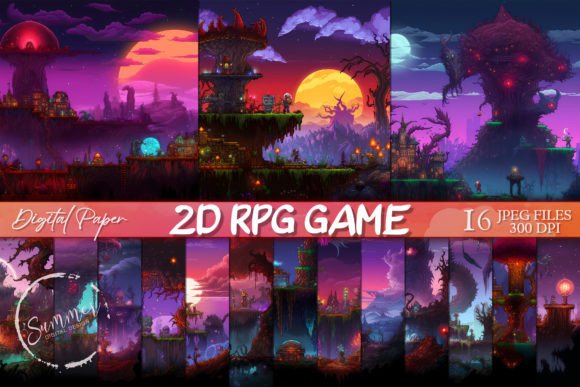
When we talk about 2D RPG Game Scrapbook Paper Backgrounds, we are referring to a specific visual language rooted in the 16-bit and 32-bit eras of video games. This style is characterized by distinct pixel art, where individual squares of color come together to form intricate textures. Think of the cobblestone paths in a fantasy village, the lush grass of an overworld map, or the industrial grit of a futuristic city. These backgrounds are designed to be seamless, high-resolution textures that mimic the look of classic role-playing games.
The visual personality of these assets is inherently adventurous and tactile. Unlike modern, flat design trends, these backgrounds possess a "hand-placed" feel. They offer a gritty texture that adds depth to flat digital projects. The color palettes are often curated to evoke specific moods: vibrant greens and blues for heroic quests, deep purples and reds for dungeon crawling, or warm browns and oranges for cozy, tavern-like settings. For the designer, this means you are not just downloading a pattern; you are downloading a pre-packaged atmosphere.
Practical Applications for the Modern Creative
The utility of 2D RPG Game Scrapbook Paper Backgrounds extends far beyond traditional scrapbooking. In the realm of brand identity and marketing, these textures can be a secret weapon for niche businesses. For example, a local gaming café, a board game publisher, or a tech startup focusing on gamification can use these backgrounds to create a brand language that speaks directly to their audience. It establishes an immediate connection through shared visual culture.
Consider the following scenarios where these backgrounds excel:
- Digital Marketing & Social Media Graphics: These textures make for eye-catching Instagram stories or Twitter headers. They break the monotony of standard stock photos and stop the scroll, particularly when targeting the gaming or Millennial demographic.
- Packaging Design: If you are selling physical goods like dice sets, trading cards, or even artisanal hot sauces with a "level up" theme, using these backgrounds on your box art or labels creates a tactile, premium feel.
- Editorial Design & Web Design: Bloggers and content creators can use these as section dividers or hero image overlays. They provide a unique backdrop that doesn't distract from the text but adds significant visual interest.
- Personal Projects: For the hobbyist, these are perfect for creating custom party invitations, birthday cards for gamers, or digital planners that feel immersive and fun.
Integrating RPG Aesthetics with Modern Typography
One of the most common questions when working with such a distinct style is how to handle typography. You cannot simply pair a pixel background with any random typeface. The key to professionalism here is contrast and readability.
Since the backgrounds are texturally dense (lots of small pixels), your text needs to stand out clearly. Avoid using a handwritten font or a complex script font that might get lost in the digital noise. Instead, look for a clean sans serif font with a slightly heavier weight. A bold, geometric sans serif can bridge the gap between the retro background and modern utility, ensuring your message is readable.
However, if you want to lean into the theme, you might use a pixelated display font for your headlines, but only for your headlines. Use a standard, highly legible serif font or sans serif font for body copy. This creates a strong visual hierarchy: the display font grabs attention with the RPG vibe, while the body copy maintains professionalism and readability. This balance is crucial for brand consistency and ensuring your audience doesn't have to strain to read your content.
Technical Specifications and Asset Quality
Quality matters. When sourcing 2D RPG Game Scrapbook Paper Backgrounds, you need to ensure the files are production-ready. Look for collections that offer high-resolution files, specifically mentioning dimensions like 4096 x 4096 pixels and 300 DPI resolution.
Why does this matter? A 72 DPI image is fine for a quick website banner, but it will look pixelated and unprofessional if you try to print it on a flyer or a t-shirt. At 300 DPI and 4096px, you have the flexibility to scale the image for large-format printing or crop into a small detail without losing quality. This is the difference between a hobbyist project and a commercial-grade product.
Furthermore, ensure the files are delivered as JPEG files without watermarks. Watermarked preview images are standard for checking composition, but your final working files must be clean. This allows for seamless layering in software like Photoshop or Illustrator, enabling you to adjust opacity, blend modes, and color overlays to fit your specific brand identity.
Strategic Use in Branding and Content Creation
For entrepreneurs and content creators, consistency is everything. Using 2D RPG Game Scrapbook Paper Backgrounds can help build a recognizable visual library. If you are a streamer, for instance, using the same texture family across your YouTube thumbnails, Twitch panels, and Discord server creates a cohesive ecosystem. It signals to your audience that they are in the right place.
From a design strategy perspective, these backgrounds offer a way to add "texture" to a brand without being messy. In an era of flat, minimalist web design, a subtle pixel texture can add warmth and personality. It makes a website feel more grounded and less sterile. It is a way to inject personality into your web design without sacrificing load times (since these textures are often optimized for web use) or usability.
Ultimately, 2D RPG Game Scrapbook Paper Backgrounds are versatile design assets. They are not limited to gamers. They appeal to anyone who values creativity, nostalgia, and distinctiveness. Whether you are designing a logo for a new tech app, creating a menu for a themed restaurant, or simply putting together a photo album for a friend, these backgrounds provide a canvas that sparks imagination. They remind us that design can be fun, playful, and deeply engaging, all while maintaining the technical standards required for professional success.