Embrace Timeless Elegance with Vintage Shabby Chic Journal Backgrounds
There’s a certain magic in the textures of time—the soft fade of aged paper, the subtle grain of weathered surfaces, the quiet stories held in every crease and stain. For designers, crafters, and content creators seeking to capture that nostalgic, romantic aesthetic, Vintage Shabby Chic Journal Backgrounds offer an authentic foundation. This collection of 13 digital paper backgrounds is designed to evoke the charm of old-world journals, antique correspondence, and heirloom keepsakes, providing a versatile canvas for a wide range of creative projects.
Understanding the Visual Character and Appeal
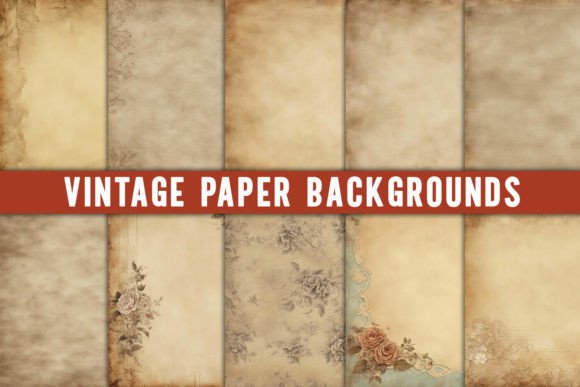
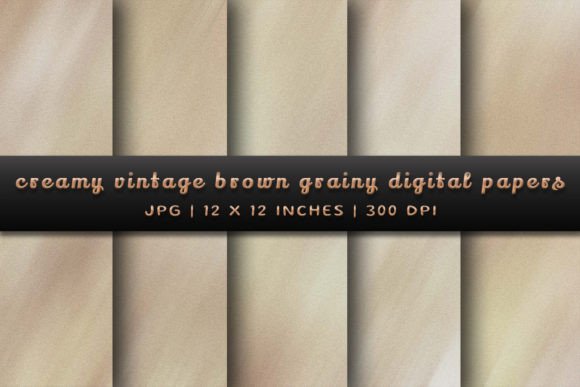
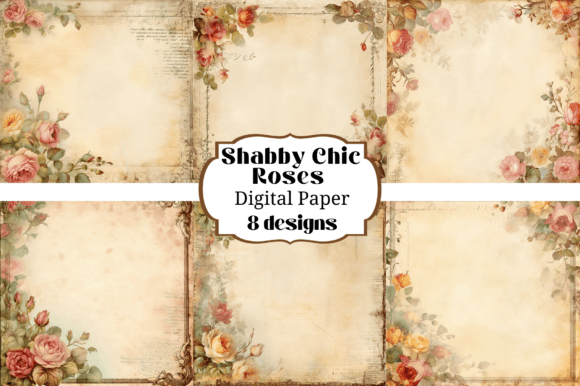
These backgrounds are more than just patterns; they are carefully curated design assets that embody the shabby chic style. Think of muted, pastel color palettes—soft creams, dusty roses, faded blues, and gentle greens. The textures replicate the look and feel of vintage paper: slightly yellowed, with subtle stains, gentle wrinkles, and delicate ink splatters. Some may feature faint script or ledger lines, adding to the authentic, handcrafted atmosphere. The overall personality is one of gentle nostalgia, romantic elegance, and handcrafted warmth. It’s a style that feels personal, intimate, and rich with history, making it incredibly appealing for projects that aim to connect on an emotional level.
The appeal of this vintage paper collection lies in its versatility and authenticity. Unlike generic digital textures, these backgrounds carry a distinct mood. They can instantly transport a viewer to a different era, making them perfect for storytelling. Whether you’re designing a book cover, creating social media graphics for a boutique brand, or assembling a scrapbook, these backgrounds provide a cohesive and evocative starting point.
Practical Applications Across Creative Projects
The true value of any design asset is measured by its utility. Vintage Shabby Chic Journal Backgrounds shine in their adaptability across numerous mediums and industries.
For print and editorial design, these backgrounds are a natural fit. Use them as the base for wedding invitations, birth announcements, or anniversary cards to add a layer of sophistication and sentiment. In publishing, they work beautifully as chapter pages, quote pages, or decorative elements in books, magazines, and planners. The subtle texture ensures they enhance readability without overwhelming the text, supporting a clear visual hierarchy.
In the digital realm, their applications are equally broad. Web designers and UI/UX specialists can use them as subtle background layers for websites, especially for brands in the lifestyle, wedding, artisan, or heritage sectors. They add depth and character to landing pages, blog post headers, or online shop banners without compromising load times or clarity. For social media graphics, these backgrounds are invaluable. They can create a consistent, recognizable aesthetic for Instagram stories, Pinterest pins, Facebook ads, and YouTube thumbnails, helping to strengthen brand identity and audience engagement.
For entrepreneurs and small business owners, particularly those in the handmade, vintage, or boutique markets, these backgrounds can elevate branding and marketing materials. Use them on product packaging, business cards, thank-you notes, or digital invoices to reinforce a brand personality that is artisanal, thoughtful, and premium. The textures contribute to a sense of quality and care, influencing positive brand perception.
Of course, the personal and crafting applications are endless. They are ideal for scrapbooking, junk journaling, collage art, and mixed-media projects. The digital format allows for easy resizing and manipulation, enabling crafters to print them at home or through a professional service for physical projects. The lack of watermarks and the high 300 DPI resolution ensure that printed results are crisp and professional.
Integrating These Assets into Your Design Workflow
When incorporating any new design asset into your work, a thoughtful approach ensures the best results. Here’s how to effectively use the Vintage Shabby Chic Journal Backgrounds.
Evaluate Project Fit: First, consider if the shabby chic aesthetic aligns with your project’s goals and audience. It’s exceptionally well-suited for themes of romance, nostalgia, history, craftsmanship, and elegance. It might be less appropriate for ultra-modern, minimalist, or high-tech branding, but can sometimes be used as a contrasting accent in such contexts for creative effect.
Focus on Readability and Hierarchy: These backgrounds have inherent visual interest. When overlaying text, prioritize contrast and clarity. Use bold, simple typefaces for headlines and clean, legible sans serif fonts or classic serif fonts for body copy. Consider placing text within a semi-transparent shape or box to ensure it stands out. The goal is to let the background support the message, not compete with it.
Master Font Pairing: The right typography can harmonize beautifully with these backgrounds. A elegant script font or a refined handwritten font can complement the romantic feel for logos or titles. Pair it with a sturdy, readable serif font for body text to create a balanced and professional layout. Avoid overly ornate or hard-to-read fonts for large blocks of text.
Consider Commercial Licensing: For designers, marketers, and business owners, understanding the license is crucial. These digital downloads are typically offered with a license that permits both personal and commercial use, but it’s always essential to review the specific terms. This ensures you can confidently use them in client projects, products for sale, or marketing materials without legal concerns.
Leverage the Digital Format: As PNG files, these backgrounds offer great flexibility. You can easily adjust their opacity, apply blend modes in design software like Photoshop or Canva, crop them, or layer them with other elements. The fact that they are 300 DPI means they are print-ready, giving you a significant advantage for high-quality physical outputs.
Ultimately, Vintage Shabby Chic Journal Backgrounds are more than just decorative papers. They are tools for evoking emotion, telling stories, and building authentic connections. By understanding their character and applying them with intention, designers and creators can add a timeless, tactile dimension to their work that resonates deeply with their audience. Whether you’re crafting a brand identity, designing packaging, or creating a personal art journal, this collection provides a foundation of warmth and elegance that is both versatile and profoundly inspiring.